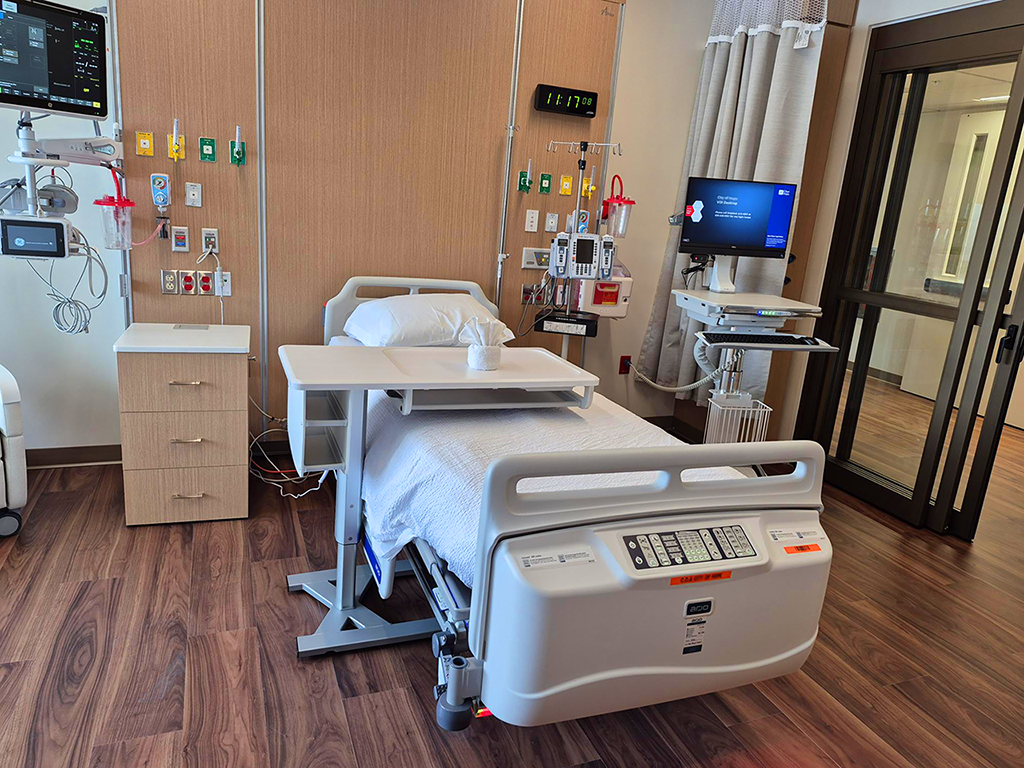
Choosing an overbed table involves more than selecting a tabletop size. The table must work with the bed and surrounding equipment while providing appropriate access, adjustment, stability and durability for everyday use in the patient room.
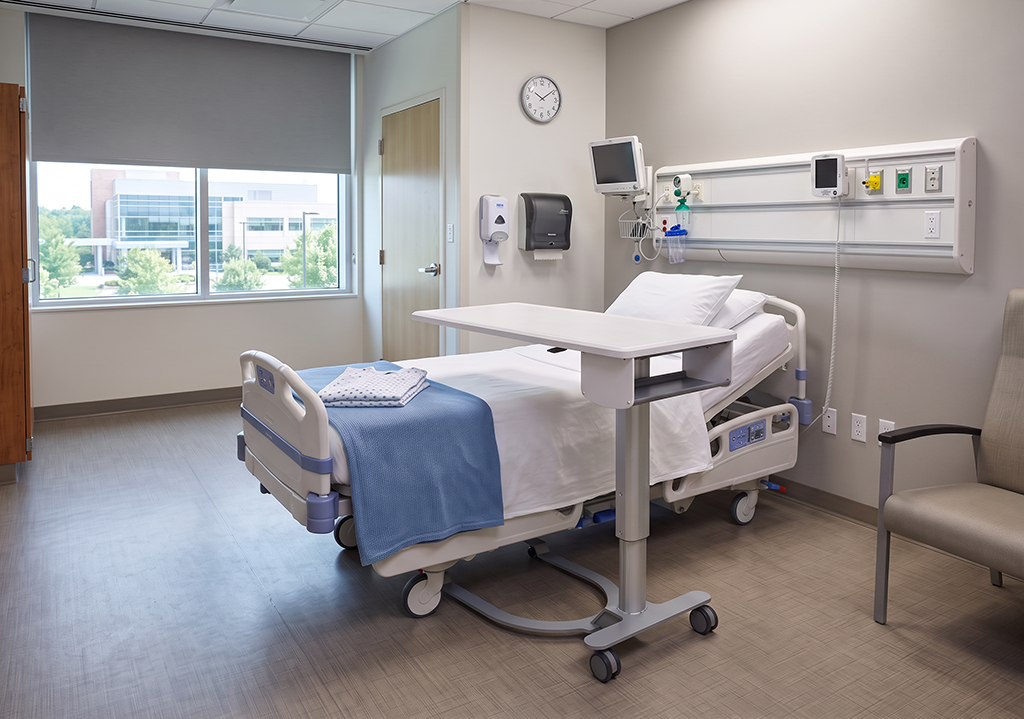
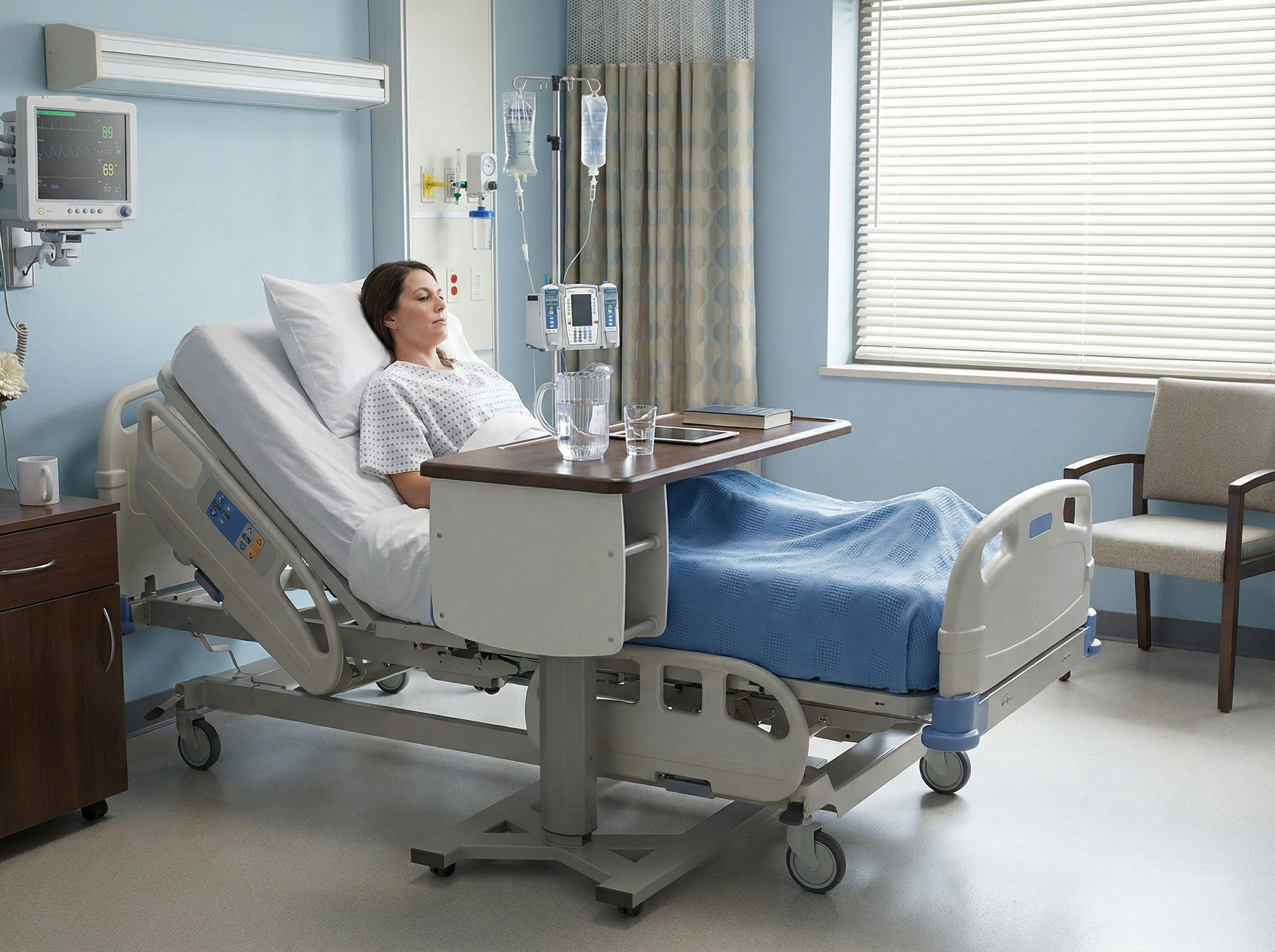
1. Bed & Equipment Compatibility The table base must work with the bed, its under-bed components and other equipment in the patient environment. Bed design can significantly influence which overbed table configuration is appropriate.
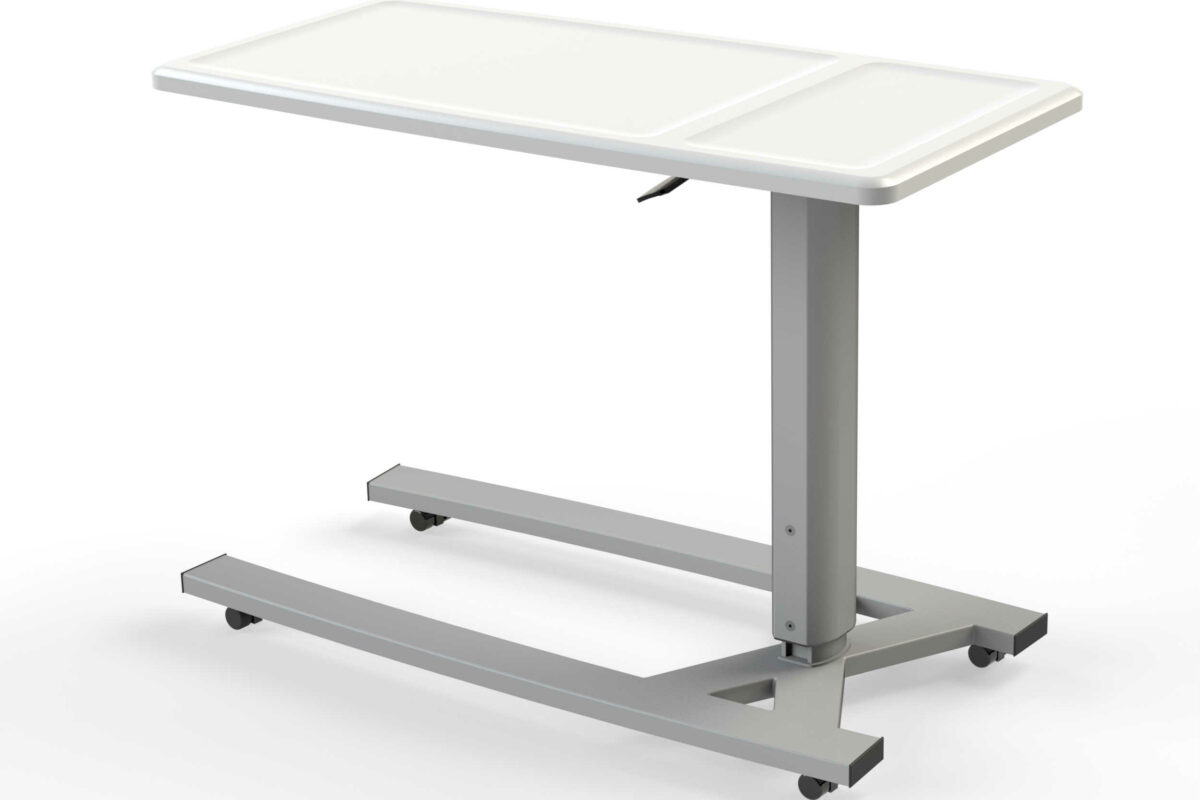
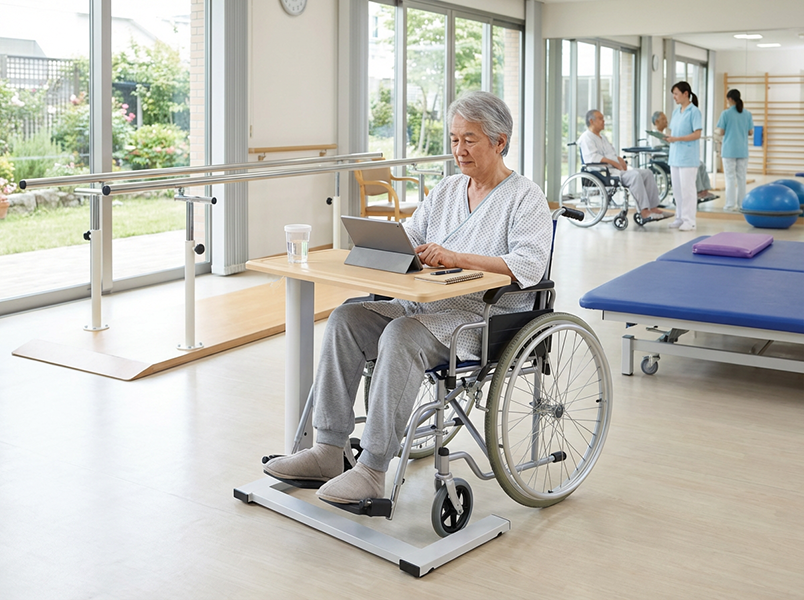
2. Base Configuration H-, I-, U- and X-style bases provide different approaches to positioning and clearance. Understanding these differences can help match the table to the bed, recliner or other intended application.
3. Ergonomics & Usability Consider height range, adjustment method, controls and how easily the tabletop can be positioned for the patient or caregiver.
4. Stability & Durability Construction, load capacity, adjustment-cycle testing and resistance to repeated movement and impacts can provide useful indicators of long-term performance.
5. Materials & Cleanability Tabletop materials, seams, edges and other construction details affect routine cleaning and the ability of surfaces to withstand commonly used healthcare cleaning chemicals.
6. Tabletop Space & Accessories Tabletop dimensions and accessories such as cupholders, tablet holders, shelves and storage can affect how much usable surface remains available to the patient.
We use cookies to ensure that we give you the best experience on our website. If you continue to use this site we will assume that you are happy with it.